
Research & Policy Papers

Universal Quality Social Services
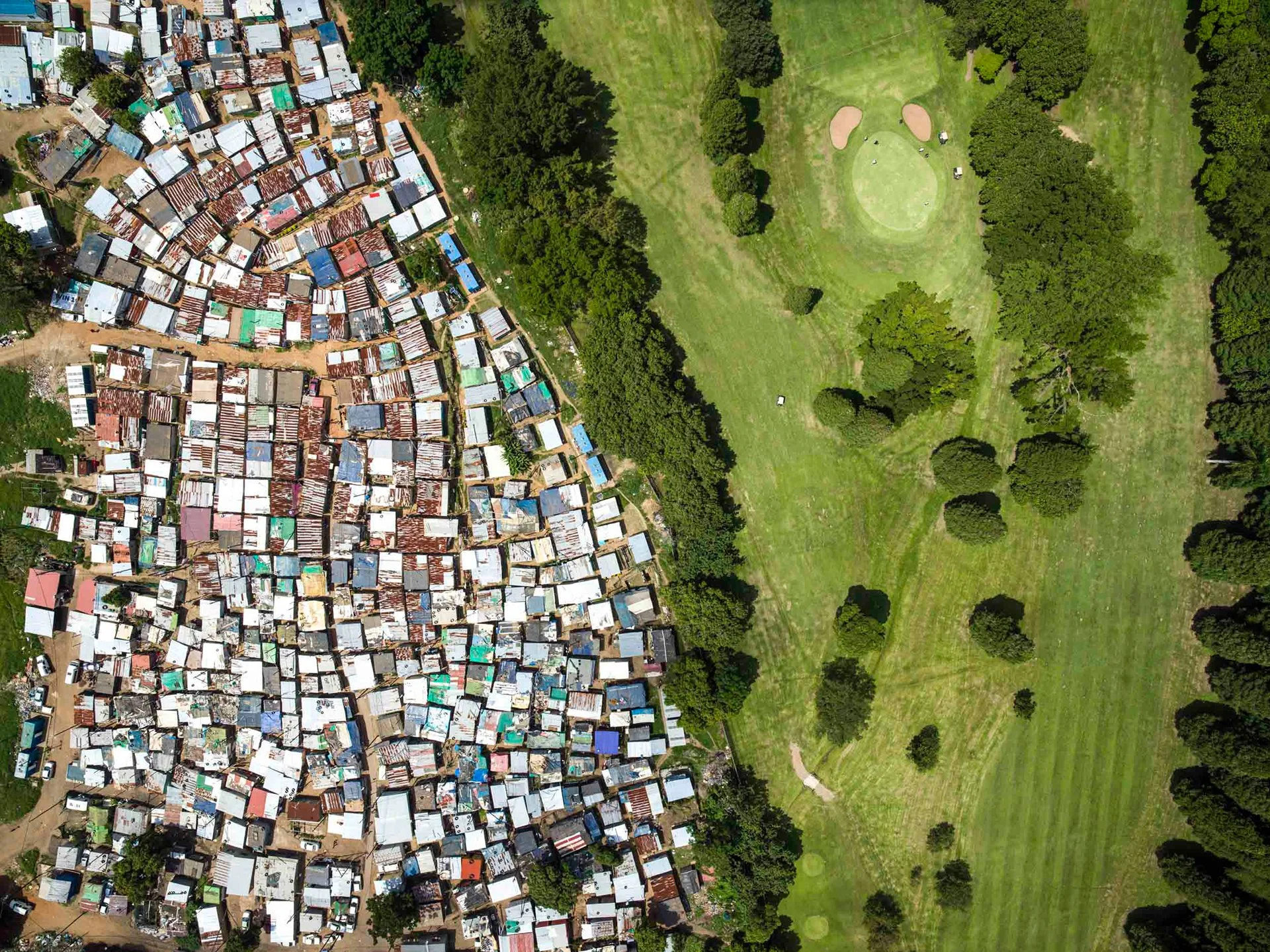
Quality universal social services form a constitutional mandate where our government should guarantee essential public goods to all residents regardless of income, treating healthcare, education, child care, and elderly assistance as fundamental human rights rather than market commodities. This is not South Africa’s current reality.
PBC’s Economic Policy Position
South Africa’s challenges in economic development have been mainly attributed to legacy induced structural challenges. These have in the main been economic concentration that has been characterised by oligopolies. Relatedly, the structural exclusion of much of the population has impacted on the development of an entrepreneurial class. Efforts to develop and nurture Small Medium Enterprises have thus far not yielded expected results. Democratic South Africa has had various economic and industrial policy strategies.

Cost of Living Crisis
National Treasury estimates the total foregone revenue from the general fuel levy relief at R17.2 billion - to be recouped through underspending and revenue windfalls rather than structural reform. With nearly 70% of government tax revenue allocated to compensation of employees, interest payments, and household transfers, and barely 5% assigned to economic infrastructure, middle-class taxpayers continue to fund public current consumption rather than future growth. That same middle-income group lacks the social safety nets available to lower-income households and the financial flexibility of their upper-income counterparts.